Plastic Injection Molding: The Past, Present, and Future

Plastic injection molding is a famous manufacturing process, which produces many pieces and components—from large panels or sections to smaller, intricate parts.
Although
injection molding has evolved, thanks to several technological advancements,
the process remains fundamentally the same. This article offers some
projections for what the future holds for this process.
The future plastic injection molding
With advancements
in automatic capabilities and technology, the plastics industry is growing as
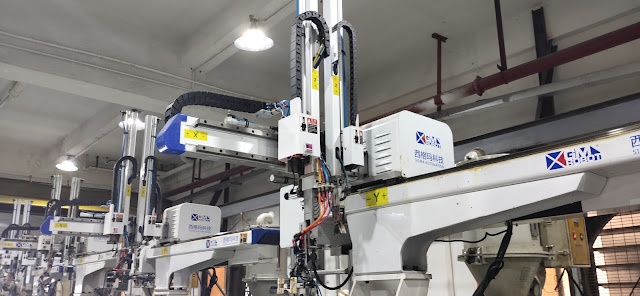
we speak. For example, automation is cutting down on labor needs and costs, and
lighter-weight materials are becoming quite popular.
Meanwhile,
improved customization options are allowing for more tailored plastic
solutions. Plus, eco-friendly initiatives are picking up the pace (due both to
shifting consumer preferences and new regulations), which means renewable,
recyclable, and reclaimable plastics are gaining popularity.
Machinery in plastic injection molding
James Watson Hendry, an American inventor, designed and built screw injection molding machines, which substantially transformed the manufacturing sector. This technique didn’t just improve the quality of finished pieces but also allowed for precise control of injection speed.

With screw injection molding, materials can be mixed at the start of the injection process. This means it became possible to add recycled or colored plastic to virgin material and blend before being injected. Today, this versatile screw technology is used by approximately 95% of all injection molding machines.
Hendry also invented the gas-assisted screw machine, which could produce hollow, complex pieces that didn’t require much cooling time. This method cut down the weight of end-product, waste, and production time, reduced costs, promised superior strength and finish, and improved process flexibility.
Plastic injection mold options
Previously, molds
were normally created with different plates; one was used to efficiently eject
the finished product from the mold. The other comprised the mold cavity where
the injection of molten plastic occurs.
Now, CAM (computer-assisted manufacturing) processes allow for much more complex molds,
which may consist of multiple parts or sections. CAM also allows for much more
precision and detail, but the ejector plate and mold cavity remain the two
primary, critical portions.
PTMS offers plastic injection molding service to the worldwide customers
PTMS is one of the leading plastic injection molding companies in China. Being an ISO9001-2008 company since 2002, PTMS offers one-stop service from plastic injection mold design, mold making, plastic injection molding production to products assembly for a tailored manufacturing experience. Give them a call now for more information!


Comments
Post a Comment